
Mental Health Is Deeply Physical
I'm coming back to this realisation over and over again.

As someone who lived with generalised anxiety and OCD since childhood (not anymore, luckily), along with other mental health challenges, I keep coming back to the realisation that much of what we perceive as mental disorders is actually quite physical. After years of searching for answers within my own mind, or within the minds of the various therapists I sought out, I wasn’t moving forward.
And the notion that I should “change my thoughts”, coming from people who don’t know what it feels like when your thoughts feel uncontrollable, felt like a punch in the face — one that I was the first to accept as a clever insight. I was so used to the idea that your thoughts are who you are, and that it was my job to change them within my own mind.
The truth is, many of us don’t know what it feels like to live with a brain that becomes intrusive, obsessive, or completely all over the place. And the truth is, I would not wish this upon my worst enemy (I don’t actually have one).
The reason I believe I have the ability to discern this is that I no longer struggle with a mind I cannot control. I’m free from intrusive thoughts, free from the tension in my body that used to spiral into anxiety over minor triggers. And I found this healing mostly within my body, not my mind.
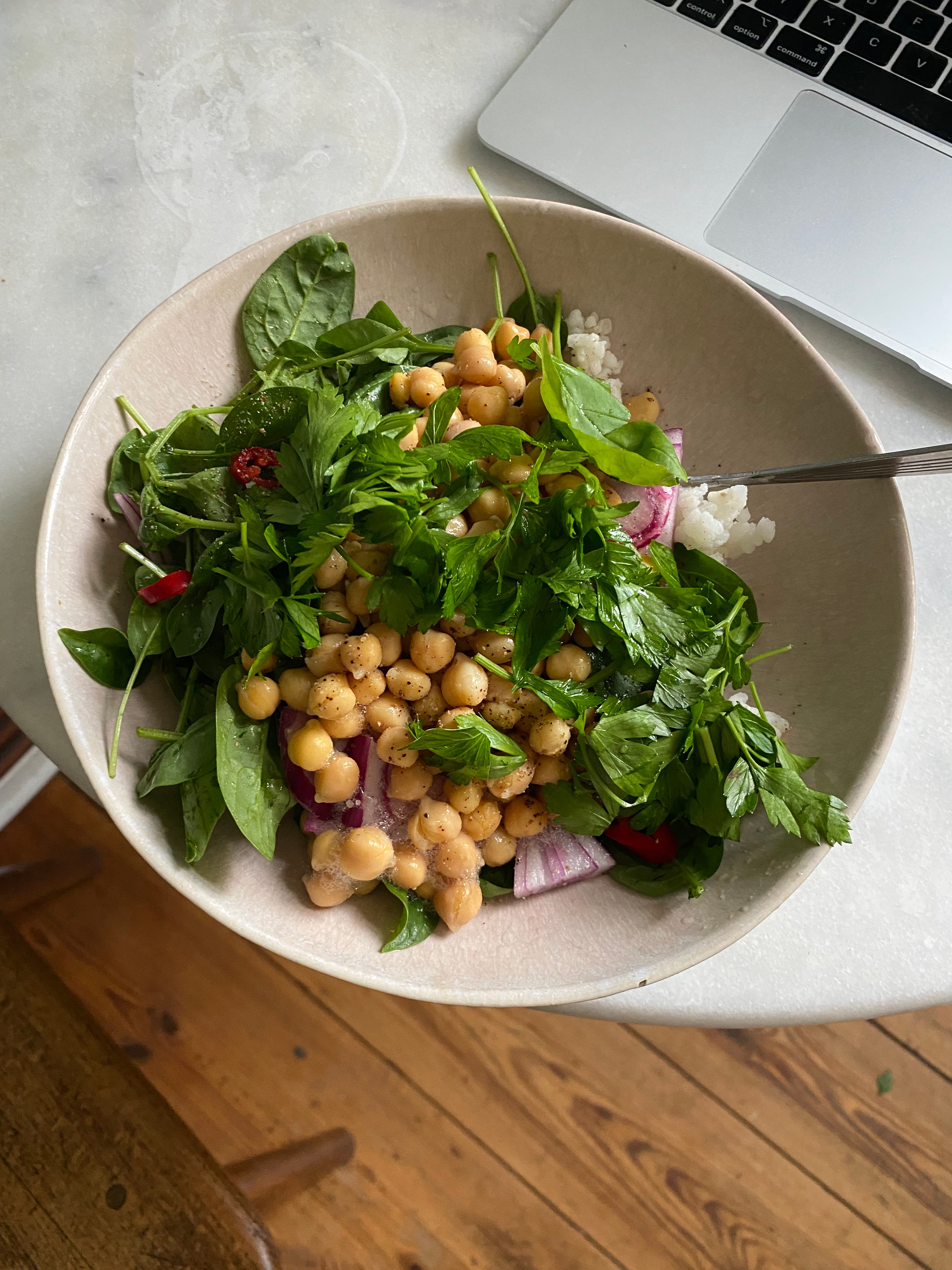
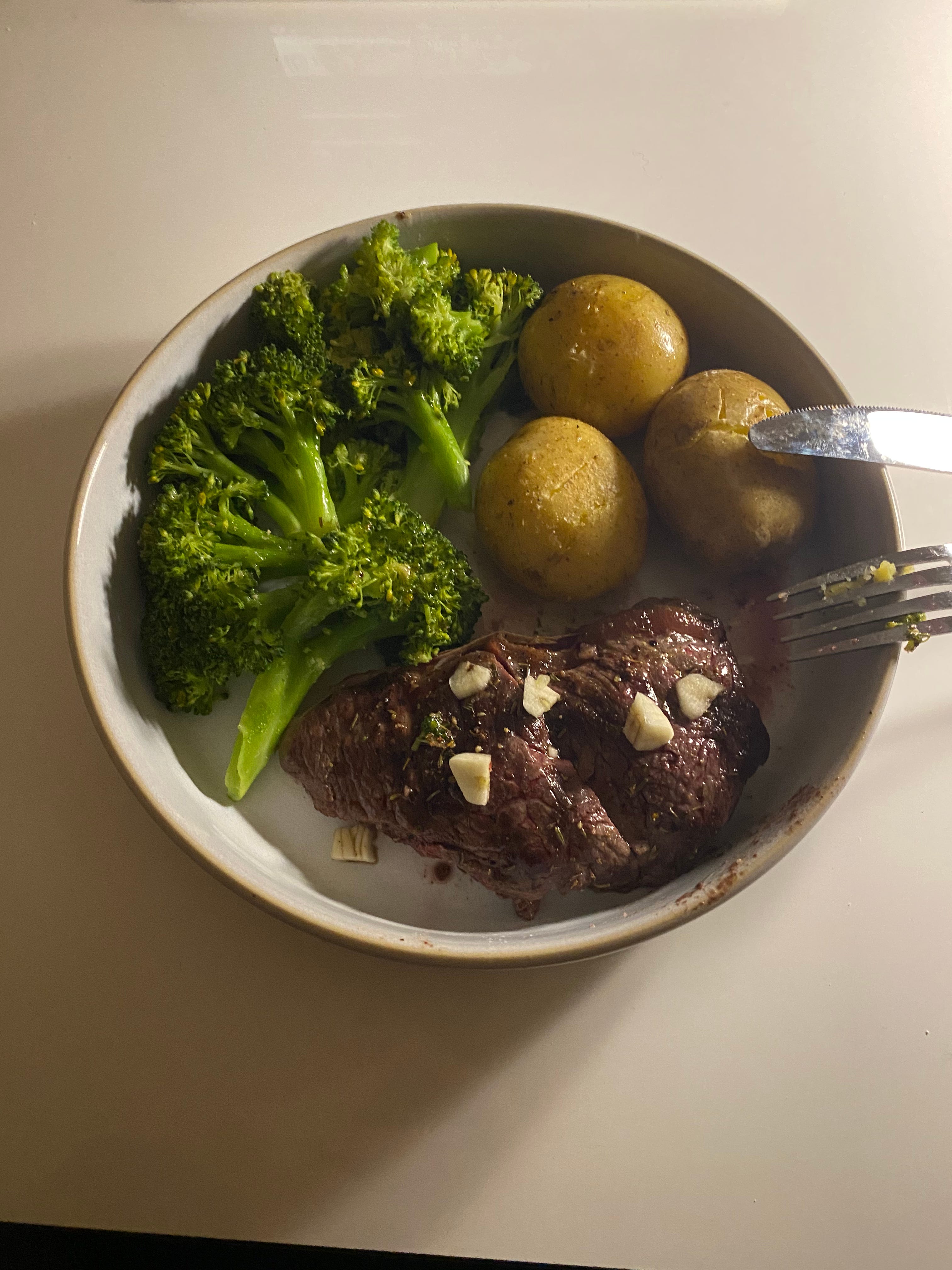
I found healing in two ways. The first was nutritional healing — meaning I follow a very specific diet that supports the body in detoxing intruders that don’t belong there. Most importantly, heavy metals, which can greatly influence our brain. But also viruses, since they can cause inflammation in the vagus nerve, leaving us feeling on edge and ready to panic at any moment.
The second place I found healing was through somatic work: bringing flexibility back to a nervous system that had been stuck in survival mode for decades, and, most importantly, releasing all the pent-up energy that gets trapped in the body when we live with anxiety and never had the tools to release it.
I’ve come out on the other side, still taking my healing seriously. But I’m amazed at the quality of my mind today. I used to feel low even in beautiful settings, surrounded by friends. Now, I feel happy and content when I’m by myself, simply working and living an ordinary day. I neither need outside stimulation to feel happy, nor do I need to attempt to control my mind in any way.
It’s like a storm has settled, and now we’re at peace — my mind and my body.
I believe we not only need to look at the body when it comes to mental illness, but we also need to stop giving advice to people with mental illness if we’ve never been in their shoes. If we don’t know how to help someone, maybe we simply need to be there with compassion. And I hope that the general mental health care system will catch up to the fact that simply talking about it won’t do the trick for many.
Thank you for reading,
Sonja
Working with me
If you’re curious, there are two ways to work with me.
One is through a 3-session journey, where we work with hypnotherapy and pattern reading.
The other is my program The Return, which starts again in 02/2026. Here, I combine lifestyle changes, somatic work, hypnosis, and pattern reading to help you shift out of long-term stress patterns and return to calm and authenticity.
Looove that you’re talking about this aspect of things. Heavy metals and viruses are so REAL and way too often dismissed and overlooked in this realm. There’s such a sweet spot where the somatic/regulation support work and specific targeted nutrition/supplementation come together 🤝💫
This perspective highlights something that often gets minimized in mental health conversations: how much physiology shapes what the mind is capable of in the first place. When the nervous system is inflamed, exhausted, or stuck in survival mode, cognitive strategies alone can feel inaccessible or even invalidating. Bringing attention back to the body, regulation, and lived experience challenges the idea that healing is purely a matter of insight or effort. At the very least, it pushes the conversation toward humility and compassion in how we support people who are suffering.